
Swiss Turning with EncyCAM – Multi-Channel Precision for Small Parts
How the EncyCAM Swiss turning module brings multi-channel programming, synchronised operations and automatic part handoffs into a single seamless workflow.
What makes Swiss turning special
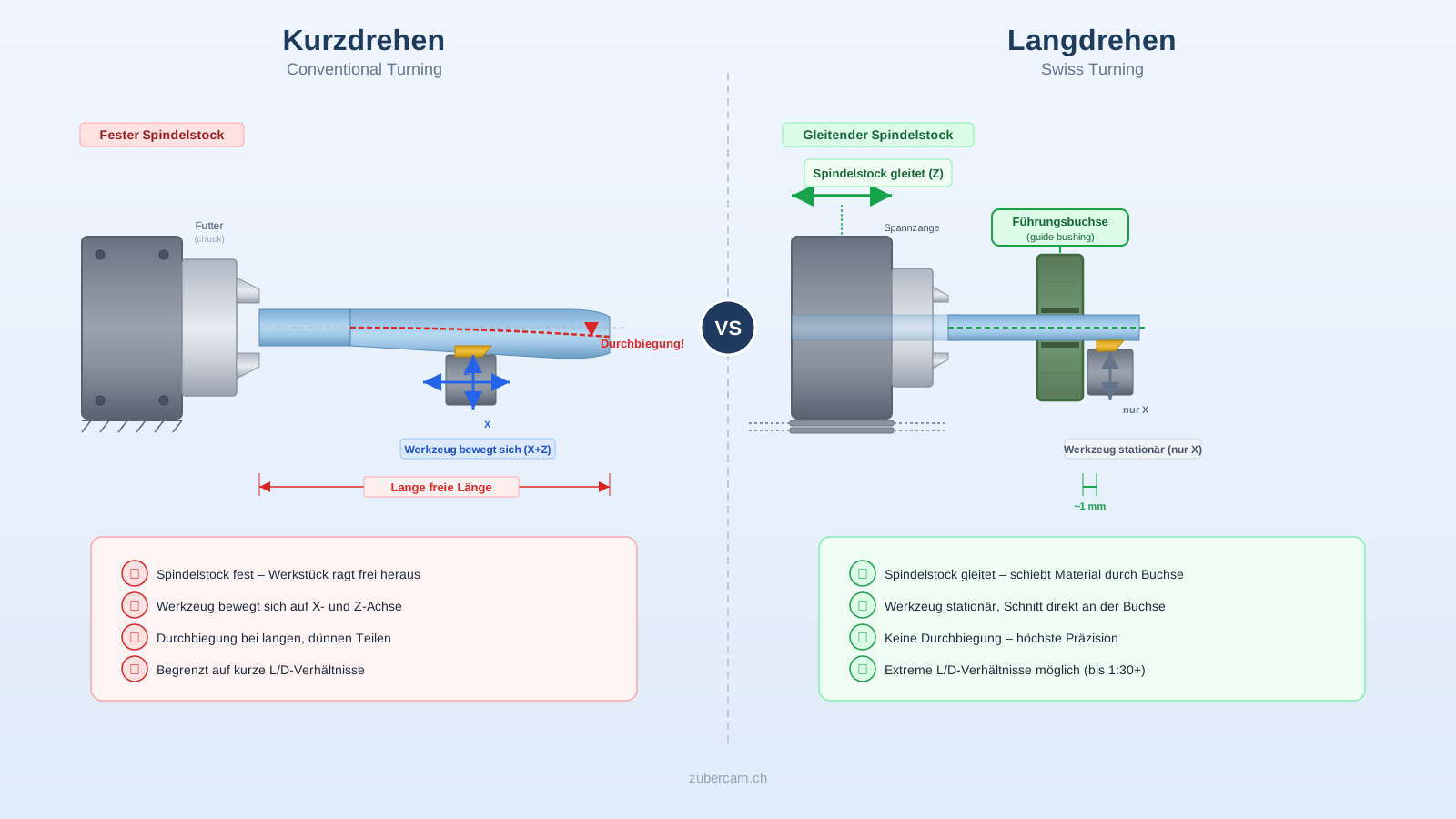
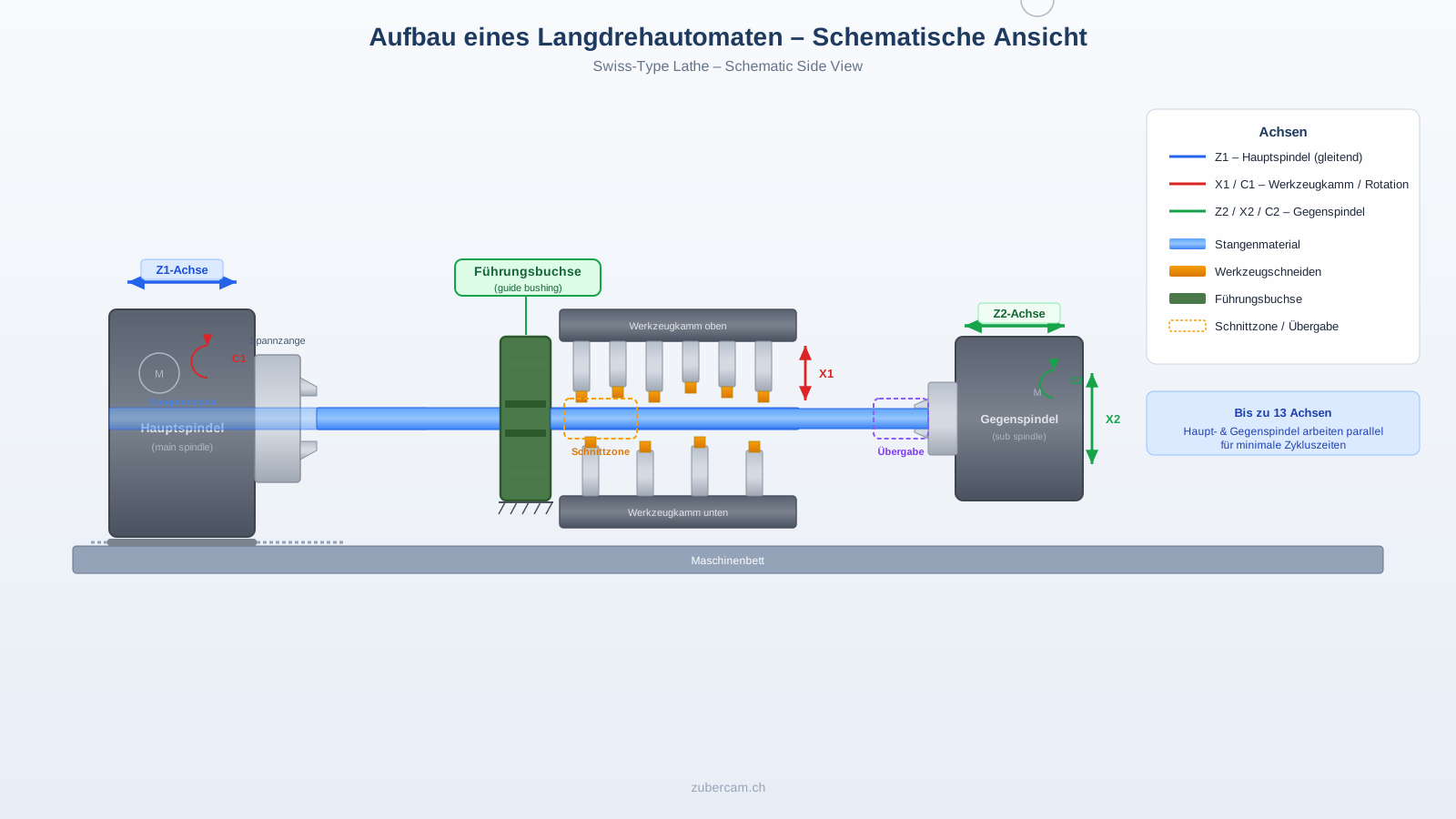
Unlike conventional turning, Swiss turning feeds the workpiece axially through a guide bushing. The cutting point always stays close to the support, which is critical for long, slender parts. Modern Swiss-type lathes feature up to 13 axes, multiple spindles and dozens of tool stations. Programming these machines demands a CAM system that handles multi-channel control and synchronisation natively.
Multi-channel programming with EncyCAM
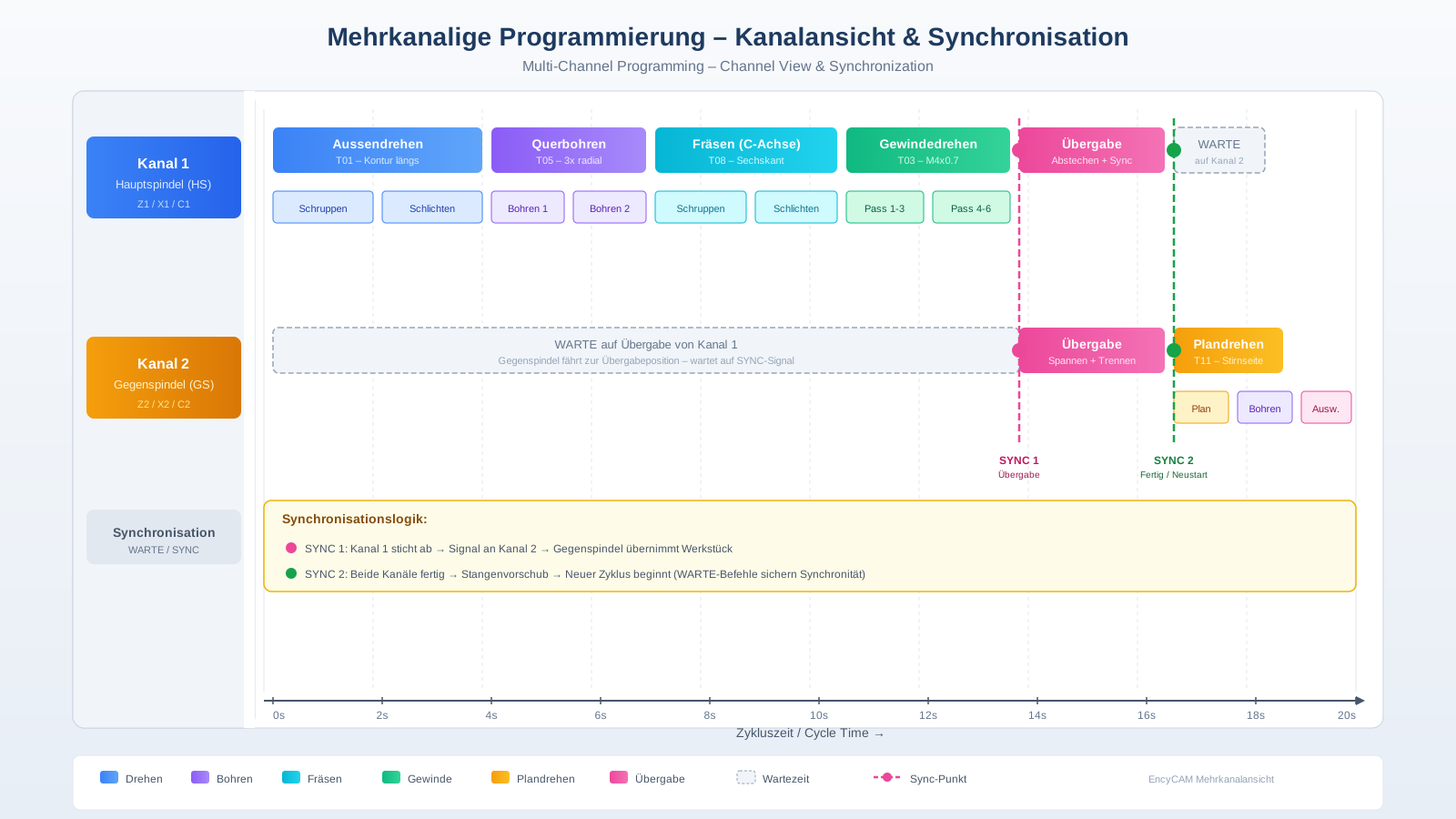
EncyCAM lets you program multiple channels simultaneously so main and sub spindles work in parallel. The programmer sees every channel in a clear timeline view and can place synchronisation points with drag and drop. Wait times shrink, machine utilisation goes up.
Key capabilities at a glance
- Multi-channel programming: Simultaneous machining on main and sub spindle with a synchronised timeline.
- Automatic part handoff: Workpiece transfer between spindles with built-in collision avoidance.
- Dedicated Swiss turning cycles: Polygon turning, thread whirling and high-speed drilling cycles as predefined operations.
- Bar stock optimisation: Automatic calculation of optimal bar allocation for minimal waste.
- Machine modelling: Exact replica of the machine kinematics including all tool stations and axes.
Simulation and digital twin
The integrated digital twin replicates the entire machine to scale. Every movement – from tool changes through spindle handoffs to material feed – is simulated before the first chip flies. Collisions are detected automatically, cycle times are predicted precisely and optimisation potential becomes visible at a glance.
Benefits for production
- Shorter programming times thanks to an intuitive multi-channel view.
- Higher machine utilisation through parallel machining and optimised synchronisation.
- Less scrap due to precise simulation and early collision detection.
- Reduced material consumption with intelligent bar stock optimisation.
- Faster ramp-up of new parts thanks to predefined Swiss turning cycles.